The company and Apollo Global Management are discussing a joint effort, even as Paramount conducts exclusive merger negotiations with Skydance.


The company and Apollo Global Management are discussing a joint effort, even as Paramount conducts exclusive merger negotiations with Skydance.

U.S. stock indexes drifted to a mixed finish on Thursday in a quiet day of trading.

Netflix added 9.3 million subscribers in the quarter ended March 31, reaching 269.6 million worldwide, and outperformed expectations in other key areas in its latest strong financial report. Revenue and earnings per share both handily exceeded Wall Street forecasts at $9.37 billion and $5.28, respectively. The top line was up 15% from the same quarter in 2023, while EPS came in at nearly double the year-ago period’s $2.88. In its quarterly letter to shareholders, Netflix said it planned to stop reporting subscriber totals and average revenue per subscriber starting with its first quarter results in 2025.

CBS Stations today unveiled a new California-based investigative initiative, CBS News California Investigates, and appointed longtime journalist Julie Watts as the regional CBS California correspondent.

The transaction will create one of the largest multicultural media platforms in the U.S.
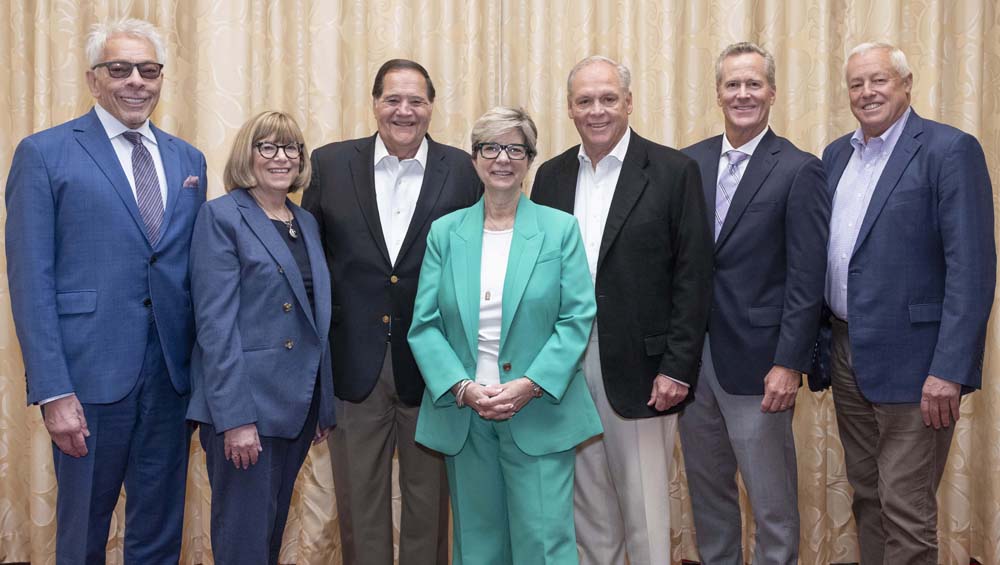
The Broadcasters Foundation of America held its annual breakfast Wednesday during the NAB Show in Las Vegas. The Foundation honored several industry leaders. Six honorees received the Leadership Award, and Erica Farber received the Lowry Mays Excellence in Broadcasting Award. L-r: Mike McVay, president, McVay Media Consulting; Kathleen Kirby, partner, Wiley; Don Bouloukos, CBS and ABC Radio executive; Erica Farber, president-CEO, Radio Advertising Bureau; Frank Comerford, chief revenue officer/president, commercial operations NBCU Local; John Rouse, EVP, ABC Affiliate Relations, Disney Platform Distribution; and Traug Keller, president ABC Radio Network/SVP, ESPN Radio.

Across broadcast and streaming, Elsbeth is netting nearly 11 million viewers after 35 days of viewing. That’s up 52% from CSI: Vegas’ performance in the time slot last year.
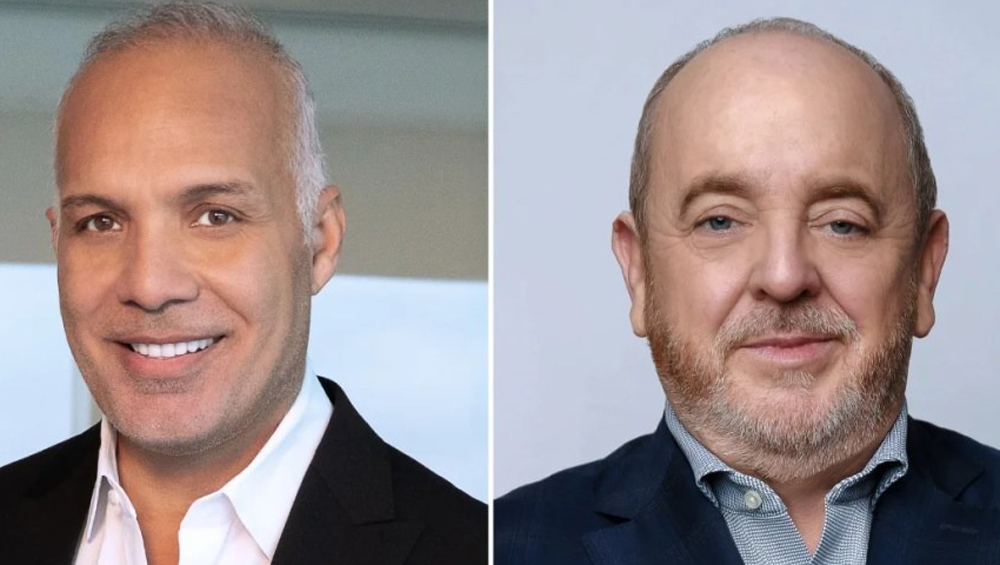
Day has spearheaded production on La Casa de los Famosos, Los 50, Exatlon, Top Chef VIP, the Billboard Latin Music Awards, Miss Universe and more.

Users of Instagram, Facebook, WhatsApp and Messenger will be able to turn to the new technology, powered by Meta’s latest artificial intelligence model, to obtain information and complete tasks.

With a judge approving the company’s disclosure agreement and setting up a June confirmation hearing, Diamond lawyer says the company is poised to exit Chapter 11, while insisting a just-approved November deadline extension is merely a "prophylactic motion."

Stuart N. Brotman: "Recently, Los Angeles became the first major U.S. city to ban digital discrimination by expanding L.A.’s authority to oversee discrimination writ large. This localized approach may be a more effective route to confront this problem. It promises to lead to faster resolutions of neighborhood problems there, while also making sure that government continues to monitor the situation for potential violations."

Paramount Global’s exclusive talks with Skydance Media are not likely to result in a deal, according to a report. Paramount, home of Paramount Pictures, MTV and CBS, entered into a 30-day period of exclusive talks with Skydance, which has produced blockbusters for Paramount like Mission: Impossible — Dead Reckoning and Top Gun: Maverick. The two companies will not likely strike a deal by May 3, which is when the exclusive window expires, CNBC’s David Faber said Wednesday.
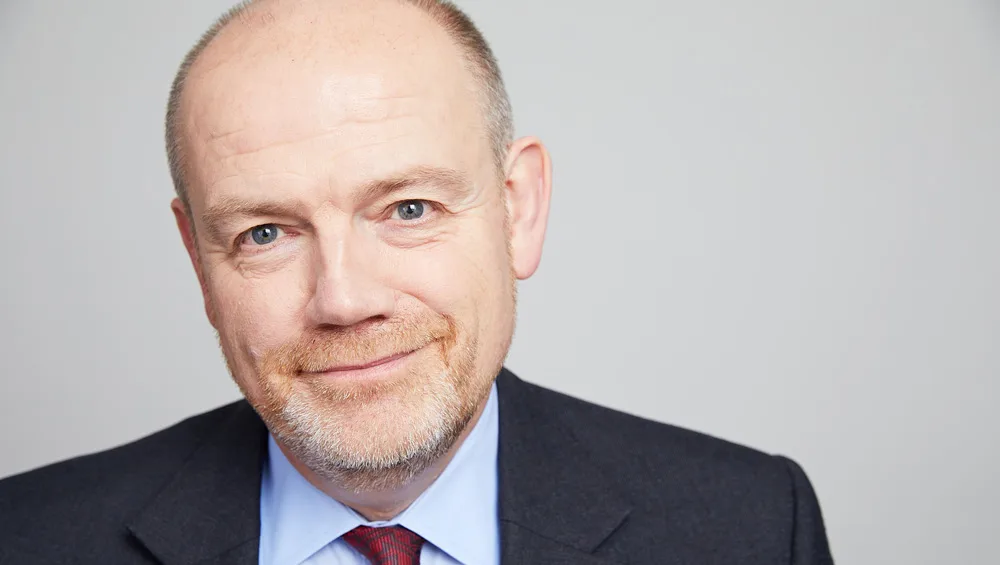

Gray said the renewal “is the direct result of impressive, double-digit ratings growth in the show’s debut season." InvestigateTV+ is hosted by Lee Zurik (pictured) and Tisha Powell.
Meta Platforms and other large online platforms should give users an option to use their services for free without targeted advertising, EU privacy watchdog the European Data Protection Board said on Wednesday. The EDPB's opinion came after it was asked by national privacy regulators in the Netherlands, Norway and Germany to look into consent or pay models adopted by large online platforms such as Meta.
A new measure attempts to force the Senate’s hand on passing legislation to ban TikTok or mandate the app’s sale.

IPG Mediabrands has unveiled plans to step up its efforts to safeguard clients from the negative impact of misinformation in media — especially on social media — prioritizing political, climate, health care, AI-generated and brand-specific content. The initiative, which was announced along with a new spate of research revealing how consumers feel about brand advertising in misinformation environments, includes an expansion of an ongoing research relationship between IPG Mediabrand's Magna and brand content safety platform Zefr, as well as new technology developed by IPG Mediabrands' Kinesso unit.

CBS's FBI was Tuesday’s most-watched and highest-rated program (with 7.1 million total viewers and a 0.5 rating). In addition, FBI: International (5.7M/0.4) and FBI: Most Wanted (5M/0.4) all added viewers and were steady in the demo. In fact, International and Most Wanted delivered best-since-season premiere audiences, while FBI came very close to doing the same.

The latenight program will broadcast live from Chicago’s Auditorium Theatre during this year’s Democratic National Convention, also taking place in Chicago Aug. 19-22 on CBS. The Late Show With Stephen Colbert will also be available to stream live and on-demand on Paramount+. Colbert announced the news on Wednesday night’s episode.

On Tuesday, a group of archival producers presented a draft set of best practices for using generative AI tools in Los Angeles, noting a "danger of forever muddying the historical record." Pictured: In a demonstration of OpenAI's video tool Sora, this still was created from the prompt, "The camera directly faces colorful buildings in Burano, Italy. An adorable dalmatian looks through a window on a building on the ground floor." (OpenAI)

Nelson Peltz only secured about 30% of the vote he sought for his board seat, with Jay Rasulo losing his vote by a margin of five-to-one.

The Tennis Channel is lining up to play on multiple distribution courts in 2024 as it looks to serve its hard-core viewers wherever and whenever they want to see live tennis and Pickleball action, according to Tennis Channel president Ken Solomon. The Sinclair Broadcast Group-owned service is planning to launch a direct-to-consumer offering in 2024 to complement its lineup of the Tennis Channel linear service, its Pickleballtv and T2 FAST Channels and its Tennis Channel Plus SVOD service.

DirecTV has confirmed that it will appeal a federal judge in New York’s decision to throw out its antitrust lawsuit against Nexstar Media Group. The pay TV company has accused Nexstar of conspiring to fix broadcast retransmission license fees through management services agreements with smaller station groups Mission Broadcasting and White Knight.
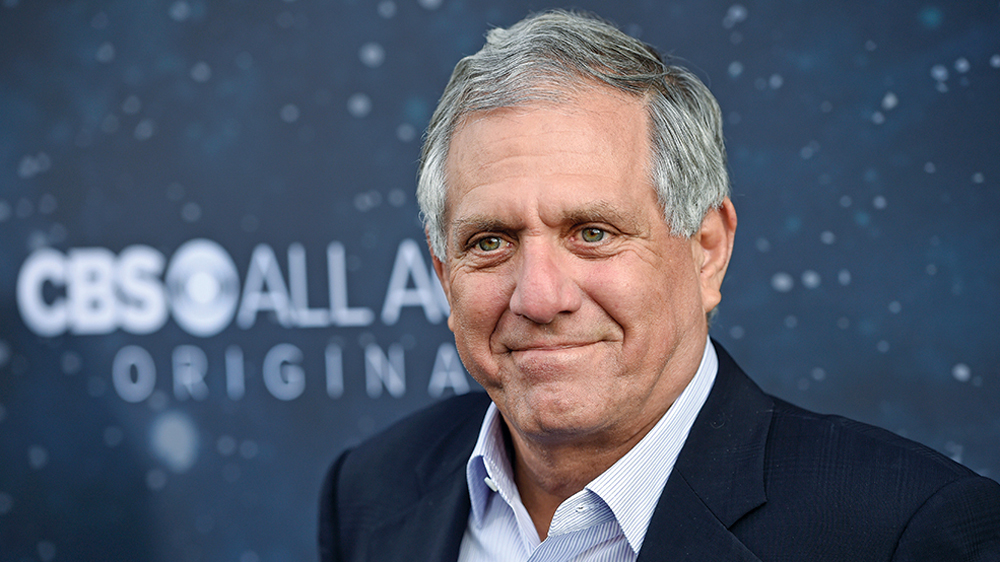
Les Moonves has settled his debts with the City of Los Angeles, at least financially. In a meeting of L.A.’s Ethics Commission Wednesday afternoon, the body voted for a second time on a payout from the multi-millionaire former CBS boss. Unlike the Feb. 21 meeting, this time the proposed settlement passed.

The former Scripps exec will be responsible for developing and implementing newsgathering, storytelling and distribution models strategy across all platforms.

New jobs posted to TVNewsCheck’s Media Job Center include an opening for an account executive – trainee/new business development and existing jobs include 13 openings in news, sales, digital and engineering.

Streaming sales leaders from Gray Television, E.W. Scripps, Hearst Television, Ticker and Megaphone TV will share the latest developments in technology and strategy for OTT and FAST channels. Learn more about this critically important revenue source for broadcasters in a TVNewsCheck Working Lunch Webinar on May 16. Register here.
16 May 2024
23 May 2024