
Stations Need To Hang On To Spectrum
Steve Ridge advises TV broadcasters to hang on to their spectrum, seize mobile and online opportunities, reorganize as 24-hour news operations, share retransmission revenue with networks and continue to build viewer loyalty with a strong anchor desk.
That Ridge has advice to share is no surprise. For the past 26 years, he has worked at one media's preeminent research and consulting firms, Frank N. Magid Associates.
After several years working in TV broadcasting, Ridge joined Magid in 1983 as the firm's first full-time manager of its TV consultation unit. Over time, his job expanded and he took on corporate responsibilities. Today, he is president of the Media Strategy Group and corporate executive vice president.
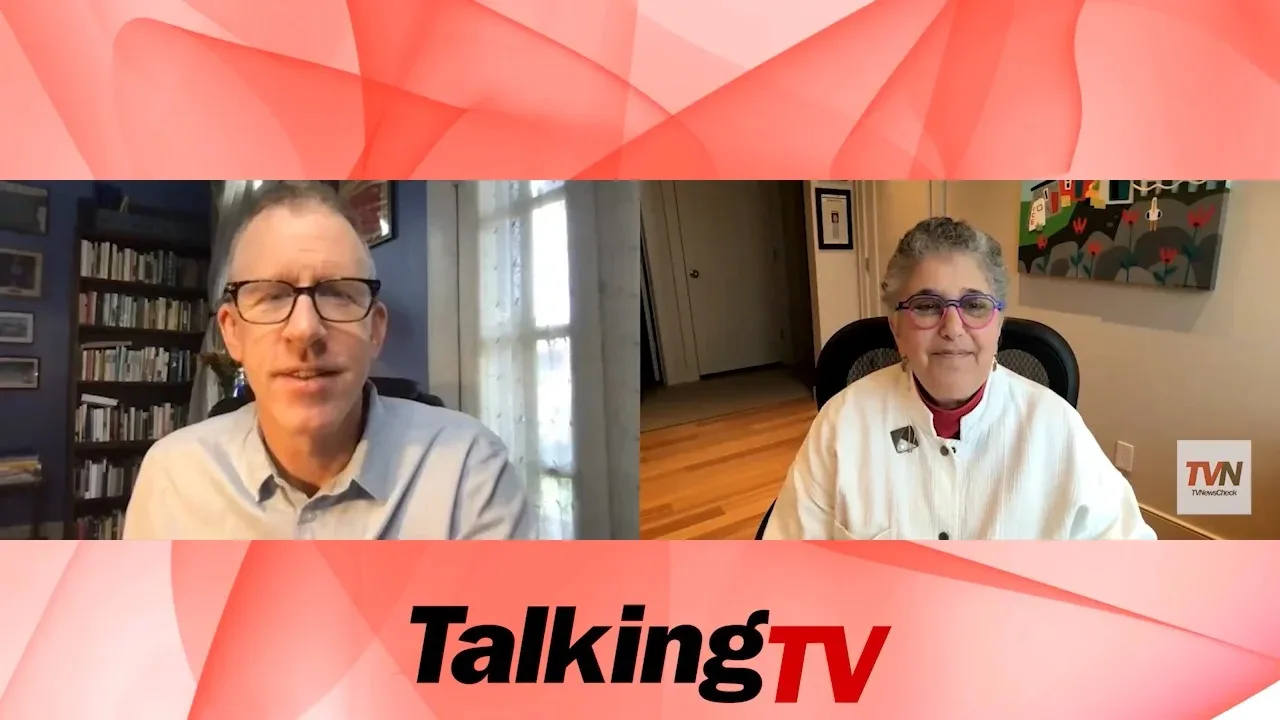
In this interview with TVNewsCheck Editor Harry A. Jessell, Ridge expands on his best broadcasting strategy and gives some of the thinking behind it.
An edited transcript:
So what do you make of all this fuss over the broadcast spectrum? Does it make any sense for broadcasters to give back some or all of their spectrum for a piece of the backend?
I don't think it does and I will tell you the government has put itself in an awkward spot. How realistic is it for the government to, in essence, force consumers to buy expensive new TVs and then turn around and reduce or restrict the programming options. That's kind of flawed thinking. It is not going to go down well with the population.
Local TV operators have the potential to amass a very powerful grassroots lobbying effort. TV operators have direct access to consumers in their markets and the ability to energize and motivate a huge base of opposition to a spectrum take-back. Sure, they can't outspend Google or other lobbies on Capitol Hill, but they can win the war in their own backyards where they have huge influence.
But there are broadcasters out there who are underwater who might like the chance to cash out.
It's very dangerous to think about a one-time cash-out when, in fact, over time, spectrum will continue to have value. If you own spectrum, you have the ability to either use it or lease it. Then, in many respects, it becomes an annuity. So, I would encourage people to avoid the temptation to take the one-time payout and really hedge their bets and protect their options for the future.
Do you have great hopes for some of these digital businesses that broadcasters talk about — mobile DTV and multicasting?
Mobile is a case where you can either jump in and be active and define the opportunity or where you can sit back and wait until somebody else fills the void. Eventually, mobile is going to dictate much of the new reality, and then the question is how will local broadcasters deliver unique value. Streaming video and live programming is but one piece of the larger puzzle. Transferring the loyalty of local consumers to that platform is going to require a complete rethink of what is unique.
So, I will tell you that mobile is a powerful opportunity and one that should not be overlooked. One in 10 are now watching video on a mobile device and that's really where online was four or five years ago. So, it's poised for growth and it's not a window of opportunity that broadcasters should miss if they want to reestablish themselves and really own mobile in their local markets.
What about multicasting. There are a half a dozen diginets being carried on subchannels. Is that much of a business?
There's a lot of experimentation going on with, perhaps, not a lot of advanced planning in terms of either consumer research or prototype testing. Just putting stuff up there is really not the way to discover a niche. It's not about just throwing everything at the wall and seeing what sticks. It's about really figuring out where the niche opportunity is, establishing that and then building on it in a smart way.
Are there any diginets or multicast channels that you would consider a success?
I don't think that there are any home runs out there, but I will tell you that there is some product development going on that is definitely going to pay dividends in the next three to five years. I have little doubt about it.
When you say "product development," do you mean other networks?
Other kinds of niche products. They are in the experimentation phase right now where we're conducting tests to make sure that there's a proper audience to support it.
When will we see these "products?"
Within a year to 18 months, you will see several potentially viable alternatives that aren't currently in the marketplace.
OK, you're the consultant. You're supposed to be the guy who stands back and looks | More …
Copyright 2009 NewsCheckMedia LLC. All rights reserved.

This article can be found online at: http://www.tvnewscheck.comhttp://www.tvnewscheck.com/articles/2009/11/03/daily.3/.

Please visit http://www.tvnewscheck.com/ for more on this and other breaking news concerning the TV broadcasting industry.


Google
Yahoo!
Digg
del.icio.us


Comments (14) - Post a comment