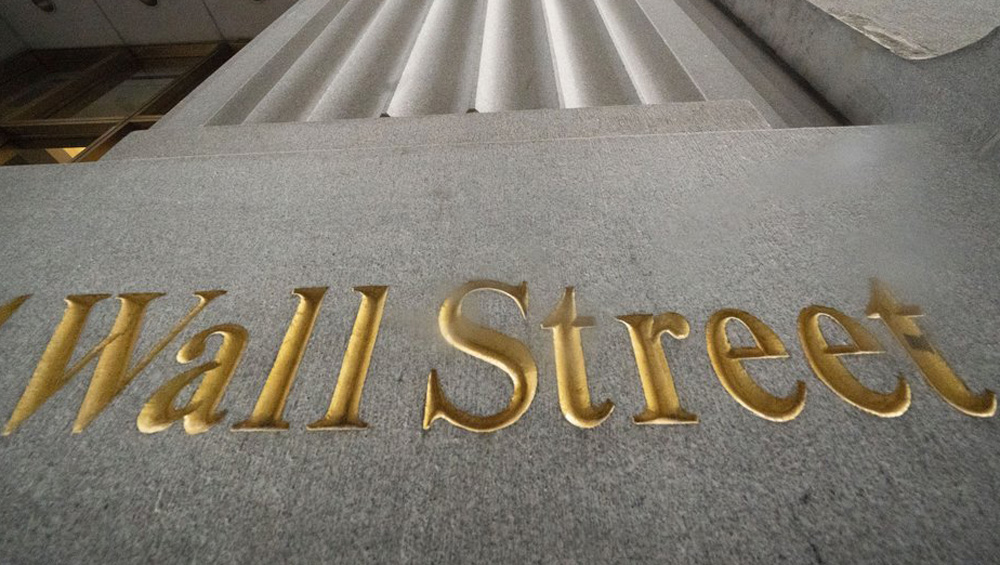
Wall Street rose Monday to add to last week's gains. Tech stocks were at the forefront, with familiar ringleaders Nvidia and Super Micro Computer again pulling the market higher.
CLOSING BELL


Wall Street rose Monday to add to last week's gains. Tech stocks were at the forefront, with familiar ringleaders Nvidia and Super Micro Computer again pulling the market higher.
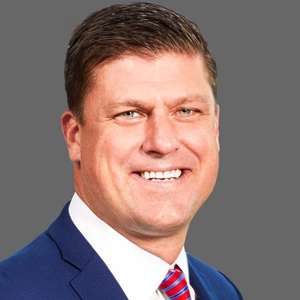
Radziul adds oversight of a portion of the company’s portfolio of stations, joining Executive Vice Presidents Ashley Gold and Eric Meyrowitz, and Vice President, New England, Kyle Grimes, managing operations of the group. He will continue to supervise the company’s government affairs and its distribution relationships.
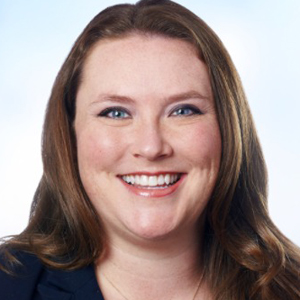
Reporting to Shawn Donilon, she will provide strategic public policy counsel to assist NAB in developing policy positions and formulating advocacy strategies to address critical issues affecting the broadcast industry.

85% of Amazon’s Prime Video subs are now in the ad-supported tier, more than any other streaming service, according to Hub’s quarterly TV Churn Tracker.
Looking to ramp up performance-based advertising efforts for better business outcomes, NBCUniversal has started a new retail media partnership with Instacart to help consumer packaged goods advertisers with their campaigns. The grocery-delivery company will look to provide new first-party purchase data from CPG brands connected to advertising exposure on NBCUniversal’s streaming content in order to measure the impact of brand campaigns.

The world of CBS’s The Neighborhood is expanding. The network’s streaming sibling, Paramount+, has ordered a comedy series titled Crutch that stars Tracy Morgan and is set in the same world as The Neighborhood — albeit on the other side of the country. The show comes from CBS Studios, and The Neighborhood star and executive producer Cedric the Entertainer is among its EPs.

The owner of Detroit station WADL is urging Mission Broadcasting to close its $75 million acquisition of WADL before a June 30 deadline. In an earlier interview, Adell Broadcasting CEO Kevin Adell suggested that a local marketing agreement would enable Mission to operate WADL while appealing conditions put on the sale by the FCC. But Adell now says an LMA is off the table. The FCC approved the agreement to transfer WADL’s license to Mission, but attached significant conditions to the approval.

The network announced its commentary team Monday: Dan Hicks and Mike Tirico will share play-by-play duties with an analyst assigned to each. The four-wide booth will have Hicks calling even-numbered holes with Brandel Chamblee and Tirico calling the odd-numbered holes with Brad Faxon.

Al Roker, Christine Baranski, Mike McVay, Patsy Smullin, Stephen A. Smith, Steve Jones, Wendy McMahon will be feted on Tuesday, Nov. 12, at Gotham Hall in New York City.

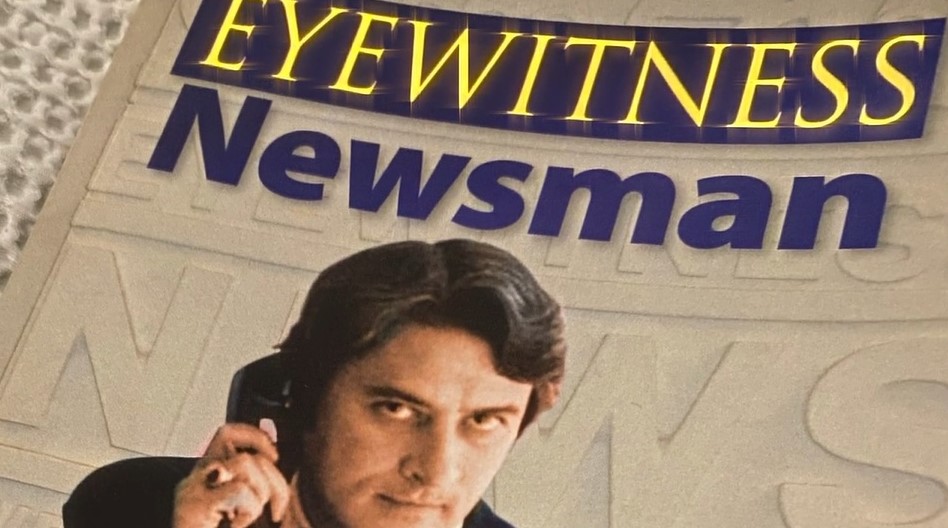
Al Primo & His Eyewitness News Revolution takes you back to the early days of television news to hear the behind-the-scenes stories of its revolution from the people who were there.

Israel ordered the local offices of Qatar's Al Jazeera satellite news network to close Sunday, escalating a long-running feud between the broadcaster and Prime Minister Benjamin Netanyahu's hard-line government as Doha-mediated cease-fire negotiations with Hamas hang in the balance.
A group of Google users who are suing the company over alleged privacy violations are now battling with it over a key issue in the case -- whether the company adequately disclosed how it collects analytics data. The legal fight, which dates to 2000, focuses on Google Analytics for Firebase — a tool that can collect data about smartphone users' app usage.

The media company behind cultural conversation starter Framing Britney Spears is restructuring its nonfiction efforts amid a wider industry contraction.

The network has greenlit a new season of Who Wants to Be a Millionaire that will air starting July 10. The new run will coincide with the game show’s 25th anniversary on ABC; it premiered on Aug. 16, 1999. Jimmy Kimmel, who hosted the last Millionaire revival on ABC in 2020 and 2021, will return to the host’s chair once again. The show will feature pairs of celebrities playing to win up to $1 million for charities of their choosing.
Programming fees have become so onerous as to threaten the future viability of affiliates. Networks need to remember: If stations go under, they take the network owners with them.

Become a TVNewsCheck subscriber here to watch this exclusive video.

Godwin, the first Black woman to lead a network news division, said Sunday she was retiring from the business. Godwin was recruited as an outsider from CBS News and was beset by grumbling about her management style that made it into print. Her leaving comes after parent Walt Disney Co. installed one of its executives, Debra O'Connell, to oversee the news division.

A special committee of the Paramount Global board decided at a meeting Saturday to begin talking with Sony and Apollo following the expiration of a month-long negotiating window with Skydance on Friday night.The committee met over the weekend to consider its approach to the preliminary $26 billion cash bid, including the assumption of debt, made jointly by the entertainment giant and global private equity film. But the David Ellison studio is still in the mix as Paramount seeks to continue those talks – just non-exclusively.

New jobs posted to TVNewsCheck’s Media Job Center include an opening for a director of student media and a national operations director. Existing openings include a digital platform specialist, an account executive and a sales director.
Social content creators from TikTok, Instagram and YouTube share how they bypassed TV’s gatekeepers and found enormous, loyal audiences thanks to compelling content, a strong narrative voice and exceptional production values (achieved with a skeleton crew) in this video from TVNewsCheck’s Programming Everywhere conference. Click here to register as a TVN subscriber and get access to all videos from this exclusive event.

Streaming sales leaders from Gray Television, E.W. Scripps, Hearst Television, Ticker and Megaphone TV will share the latest developments in technology and strategy for OTT and FAST channels. Learn more about this critically important revenue source for broadcasters in a TVNewsCheck Working Lunch Webinar on May 16. Register here.