ABC's Multicast Play: All's Well With Live Well
Just over two years ago, the ABC O&Os put their excess digital spectrum and production capacity to work by launching a home-grown multicast channel. Aimed primarily at women, Live Well HD (now Live Well) offered a lively mix of lifestyle programming, most from the stations, but some from syndicators.

Neither the channel nor its slick companion website gives a clue as to its origin. The name and logos of ABC and its parent Disney are nowhere to be found. That’s by design. ABC sees the channel as a network and has been pitching it to other stations without regard to their primary affiliations.

At launch, the channel/network reached 23.3% of U.S. TV homes through the 10 ABC O&Os. (ABC has since sold two of its small-market stations, but they remain Live Well affiliates.)
Then, last November, Live Well took its first step beyond ABC when Belo began carrying it on five stations: WFAA Dallas-Fort Worth, KMOV St. Louis, WWL New Orleans, WVEC Norfolk-Portsmouth, Va., and WCNC Charlotte, N.C. That pushed coverage to nearly 29%.
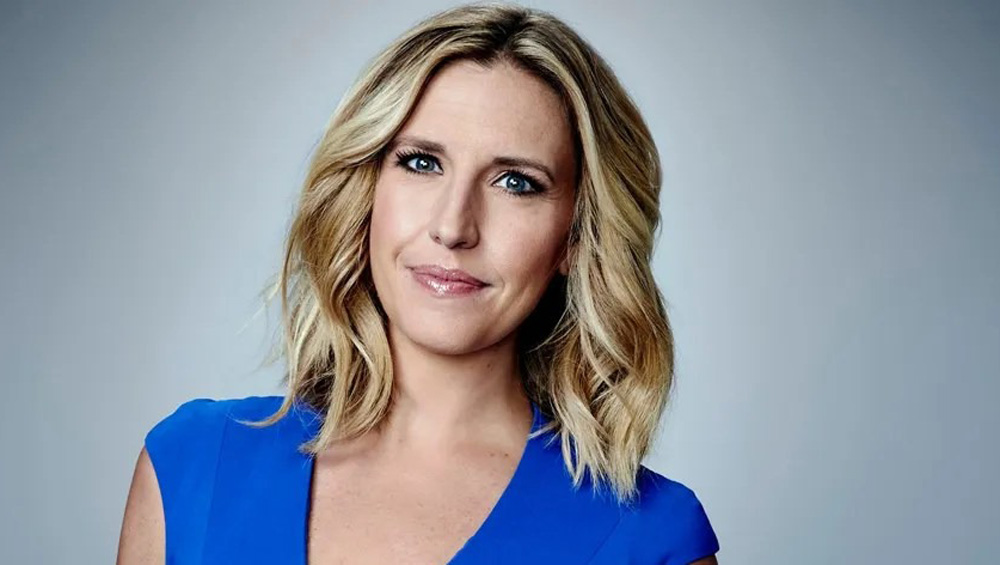
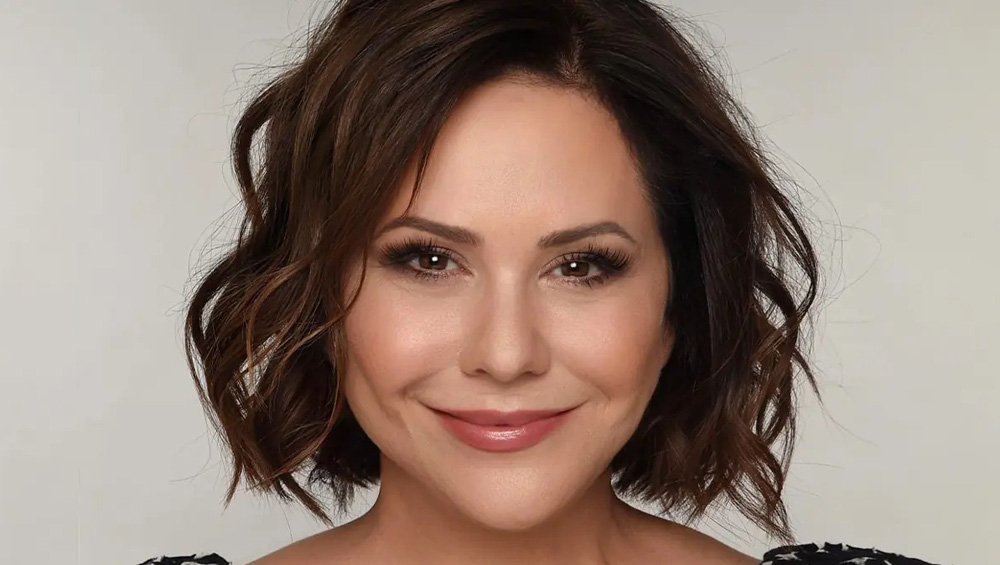
Charged with developing Live Well programming and stretching its reach are Emily Barr, who doubles as GM of WLS Chicago, and Peggy Allen, a former Lifetime programming exec who was hired last fall to fine-tune the programming and help with the distribution.
In this interview with TVNewsCheck Editor Harry A. Jessell, Barr and Allen talk about their distribution ambitions (up to 60% clearance by year’s end), a revised programming strategy and their belief that they have the right service at the right time.
An edited transcript:
How's the network doing in terms of ratings and revenue? Is it showing up in the books? Are you getting any significant revenue from it?
Barr: Let me answer the revenue question first. We are generating a nice, growing amount of revenue since we launched in April of ’09. And we're making some money with it, so we're very pleased with where the network stands revenue-wise. Ratings-wise, we literally just started getting numbers the first of the year. So the ratings are there. They are cable-like in their quantity. We didn't expect that there would be massive numbers, and there aren't massive numbers.
Peggy, you were brought in primarily to be the programmer, right?
Allen: That's right. I came in, frankly, with two main goals. One was to look at the current programming, do some research around our market audience and then say where can we improve on our current programming and what are we missing. And the other charge was to work with Emily and determine how we could expand the footprint of the network.
What's fun is the reaction that we've gotten from the station groups. It has really been extremely positive in part because they've experienced the competition and, frankly, been a little disappointed.
We're original content and we're quality. It's something that you can embrace and start talking about on your D1 channels. One of the nice reactions we've had is that they have looked at our shows and said, we'd like to incorporate some of these shows on our D1. And, of course, that then helps the sale.
I wasn't aware that that was happening, that station were putting some of the shows on the main channels?
Barr: Absolutely. For example, at WLS, we run three of the shows on Sunday morning. All of our stations, in fact, are doing that now, including the Belo stations. And it's really been a terrific way for advertisers to get a sense of the quality of the programming, to garner a real number on the D1.
So, Peggy, you said that when you came in, you looked at the programming to see what was missing. What was missing? Or, let me rephrase that: Has the programming strategy changed since your arrival?
Allen: Yeah, it has. What came through loud and clear on the research is two main points. First and foremost, we need to remind ourselves that we have to be an entertainment-based network. Women come to television to escape and be entertained. Certainly, learning something along the way is important, but we have to make certain that we are using that entertainment filter when we look at all of our shows.
What that means then, almost by default, is that we need to recognize that we're a personality-driven network. We need to have hosts who are passionate about their subject matter, and can share that passion with the viewer. What's exciting is that we have several shows that are doing that quite well. In particular, Mirror/Mirror, which is our fashion and beauty show coming out of the Houston station [KTRK], and our travel show called Motion, which is hosted by an outdoor, backpacking guy named Greg Aiello.
In terms of new areas that came through in the research, there's no question that stretching the dollar is of great importance to our viewers. So, we will be launching a new show in late spring called Deals, which will take look at fun, clever ways you can immediately start getting more for your dollar, almost taking shopping as a contact sport.

Comments (3) - Post a comment