
Give Us A Break: No More New Media
Today, I am calling for a three-year moratorium on new media.
Starting Jan. 1, no individual or company may conceive, research, develop, improve, work on, tinker with or otherwise conjure up any program, device or service aimed at disseminating information of any kind to the general public.
With all we’ve got now, from AM to Zillow, we can go for three years without any more and we’ll all be happier.
Let’s be clear: This is a global deal. I don’t want some smart guys or gals in India or China trying to get ahead while the rest of us are on our new-media sabbaticals.
The reason for this unprecedented initiative is clear. There is already too much stuff out there. It’s overwhelming. We’ve got a vast oversupply of dotcoms, widgets and apps. How can you possibly make sense of it all, let alone build a viable business upon it?
We want to keep up with the latest, but it’s simply not possible. The new media world moves too fast. We don’t have time to distinguish the winners from the losers. So, we end up doing nothing. Or, we end up doing the wrong thing, squandering precious time and resources.
Every time we figure out one Facebook or Twitter, another Groupon or Netflix pops up to be understood, exploited, copied or ignored.
Well, when I was a wee lad, there used to be just two “platforms” in electronic media: the TV set and the radio. You created programs for one or the other, sold some time and then went home.
Now, to keep pace, you have to tailor your content not only for the desktop and Web browsers, but also for what seems to be an endless parade of netbooks, smartphones, tablets, BlackBerries, game consoles, VOD services and Internet-enabled TVs. Oh, by the way, do you want that in 3D? With or without glasses?
Wade Beavers, CEO of DoApp, a company that writes apps that allow content providers to jump on the new platforms (really operating systems), says that right now there are five that broadcasters need to be on — Android, iPhone, iPad, Blackberry and Microsoft — and possibly a sixth if HP’s WebOS gets any traction.
And don’t think that you can create the app and you’re done. According to Beavers, apps have to be continually tweaked to sync up with changes in the platforms and the peculiarities of the many devices that run on them.
Internet-connected TVs and set tops are another matter. To be on Apple TV, Google TV, Roku and others, you need even more apps. And let’s not forget about YouTube and iTunes.
A world of no standards may be great for innovation, buts it’s hell on program producers.
We ran a story last September about how the weather data/graphics vendors and their broadcast customers are scrambling to create services for the proliferating platforms. In it, Tim DeFazio, the GM at Withers’ WDTV Clarksburg, W.Va., spoke for a lot of his peers.
DeFazio said he was providing AccuWeather’s three-screen CinemaLive service because he felt it was important to extend the station brand onto the new platforms, but he also admitted he was uncertain about the prospects.
“I think we are flying blind here,” he said. “Are we expecting to make a lot of money out of this? No. But I think we will pick up some revenue. But for me to tell you how much, I’d be lying to you if I said I knew.”

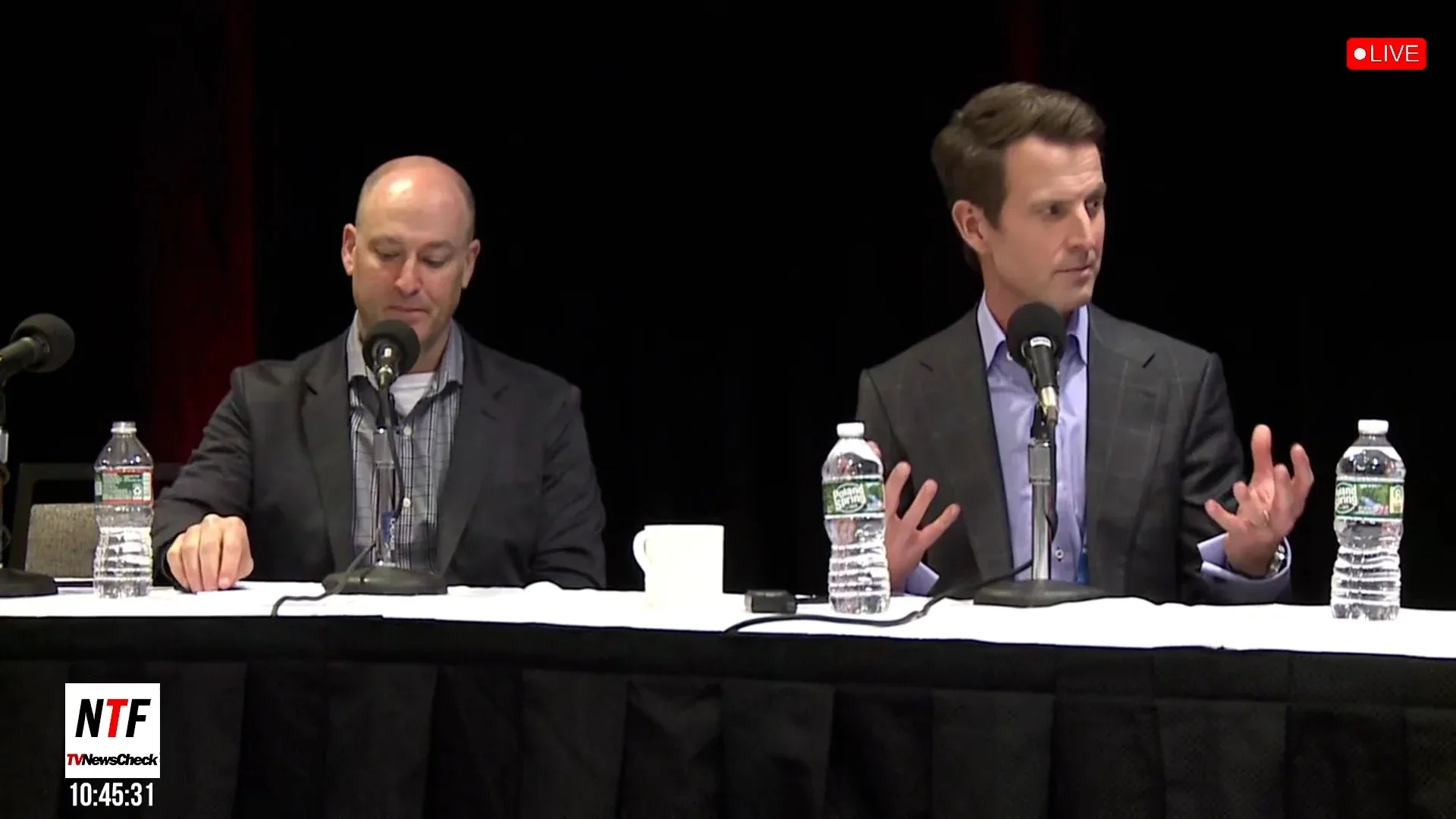
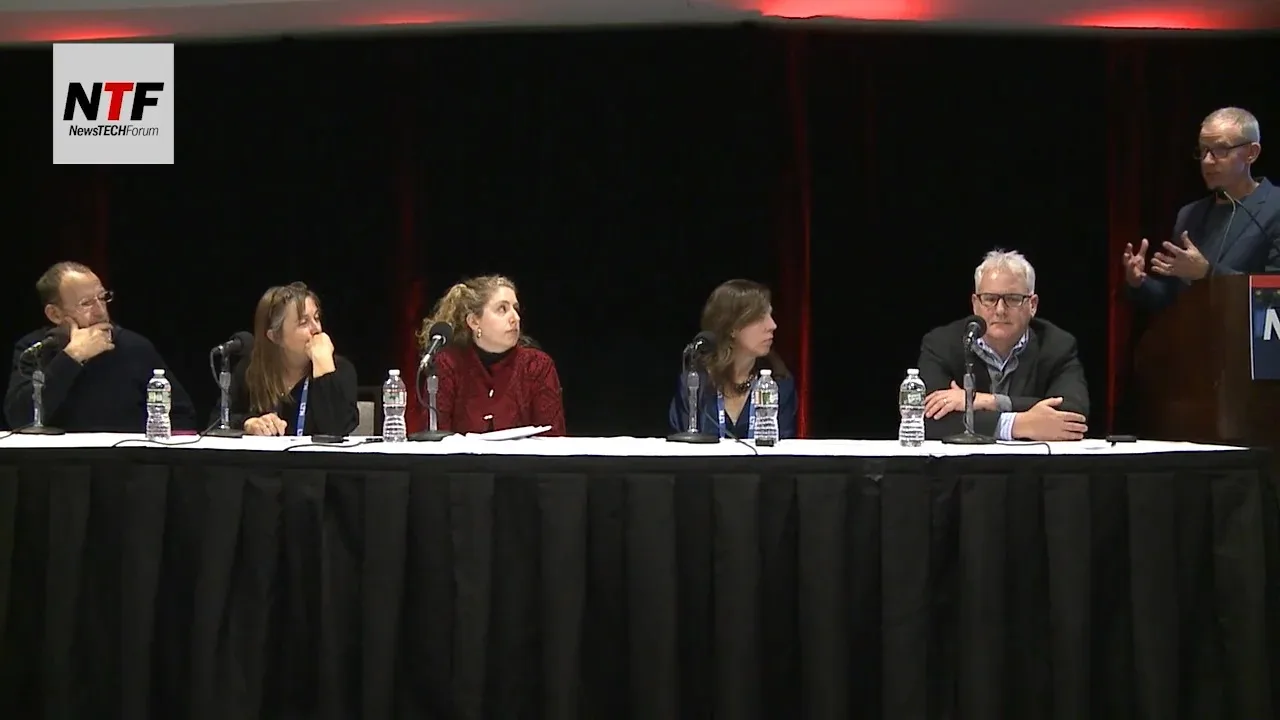
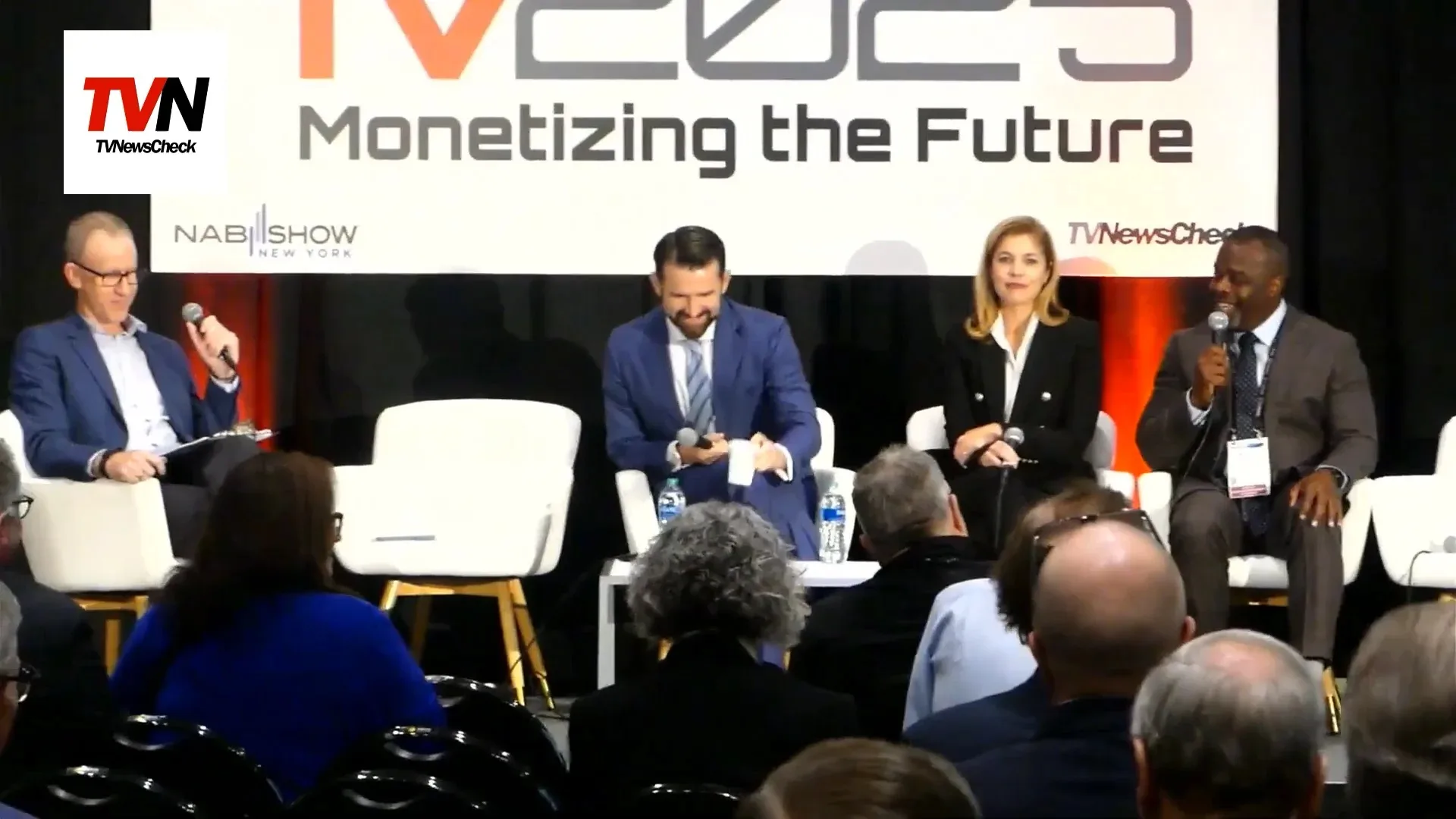
At the TVB conference in New York that same month, Shelly Palmer, who tracks the new media world as well as anybody I know, scolded traditional media executives as he moderated a panel for not investing more time in understanding the new media.
The attitude he gets from traditional media execs is “IBG-YGB” — that is, “I’ll be gone, you’ll be gone” before any of us really has to deal with the new media.

He begged the execs to personally get involved with the new media.
Well, Shelly, they might if they could. But if they actually tried to grasp the new media, they wouldn’t have much time for the old media. They have stations to run and that’s not as easy as it used to be, what with the new media shattering audiences into a million pieces.
One of Shelly’s TVB panelists, Gordon Borrell, was a bit more helpful. Borrell, who tracks local online and mobile spending, said that the executives have to pick their fights. “Be wise about the one you select and wise about the ones you’re trimming back.”
Borrell was less helpful when he touted his latest research that finds that advertising on mobile apps will explode over the next five years, growing from $305 million to $8 billion. Such research only raises the anxiety level of traditional media folk. It makes them fear they are going to be missing out if they don’t move fast.

Comments (5) - Post a comment