Wall Street rallied again Tuesday to erase more of April's losses. A weaker-than-expected report on U.S. business activity helped support the market, which remains in an awkward phase.

CLOSING BELL


Wall Street rallied again Tuesday to erase more of April's losses. A weaker-than-expected report on U.S. business activity helped support the market, which remains in an awkward phase.
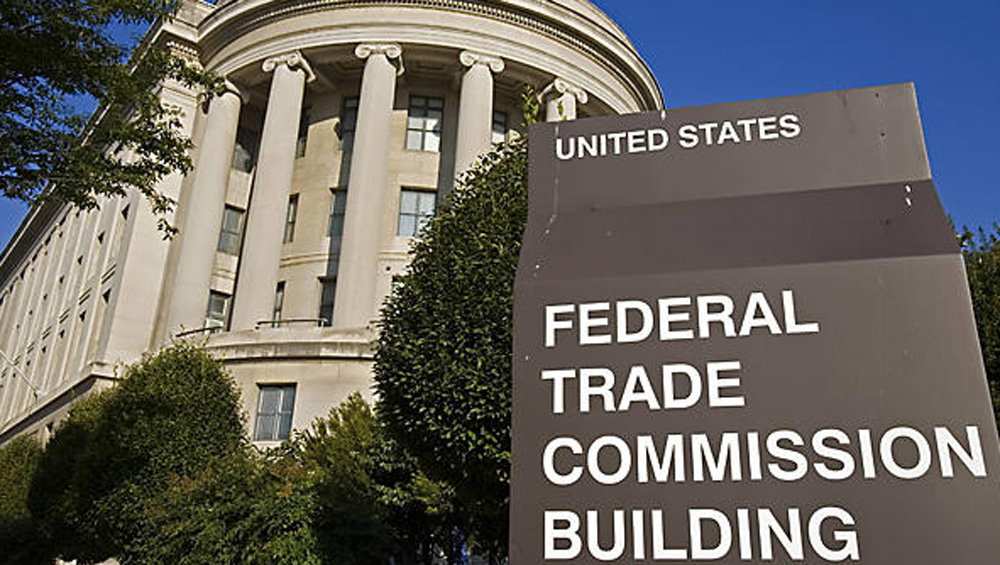
The Federal Trade Commission voted 3-2 Tuesday to ban noncompete agreements that prevent tens of millions of employees from working for competitors or starting a competing business after they leave a job.
The extension will keep him in charge of the trade association through 2029.

He will oversee journalism at WTMO Orlando, WRMD Tampa and WWDT Fort Myers.

He moves across town from Nexstar’s KGET Bakersfield to oversee the Scripps ABC affiliate there.

CBS’s Tracker this week was Sunday’s most-watched TV program (7.6 million viewers/0.4), while ABC’s AFV and American Idol tied for the nightly demo win )0.5). The yet-to-be-renewed The Equalizer returned from a multi-week break to 6M/0.4, hitting and matching season lows.

PBS landed 11 nominations, by far the most of any outlet, as Peabody Awards Board of Jurors announced this year’s 41 nominees across its documentary, news, public service and radio/podcast categories. The pubcaster’s Peabody noms include 20 Days in Mariupol, which recently won the Oscar for best documentary feature film.

The tech company told its corporate partners that the app "may include ads" in the future.

Goodman is in charge of production of Lionsgate’s scripted series and its TV production facilities in Yonkers, N.Y.; Atlanta; and one that is about to open in Newark, N.J.

Streaming video might have made the turn from a go-go industry to a mature business, according to a new report from MoffettNathanson senior research analyst Michael Nathanson. Looking at data from HarrisX, Nathanson noted that streaming penetration dipped to 84% in the first quarter from 85% in the fourth quarter of 2023. “Whether this marks a new plateau or whether there is additional room for streaming to increase its penetration will be a key question for investors going forward,” Nathanson said.
We are in the midst of a shift in the media industry in which many companies are pursuing business models that have yet to be proven and may never pan out. As consumers shift to an on-demand approach to television viewing driven mostly by digital delivery of video, many of the biggest media companies, far bigger than Scripps and our peer-group broadcasters, have taken steps to break their content out of the exclusivity of existing bundles that have served the industry so well for the last 50 years.

The licensing agreement with Cineverse includes The Bob Ross Channel, Comedy Dynamics, Dove Channel and Dog Whisperer with Cesar Millan, while Scripps Networks’ Court TV and Scripps News all join DirecTV’s lineup today.
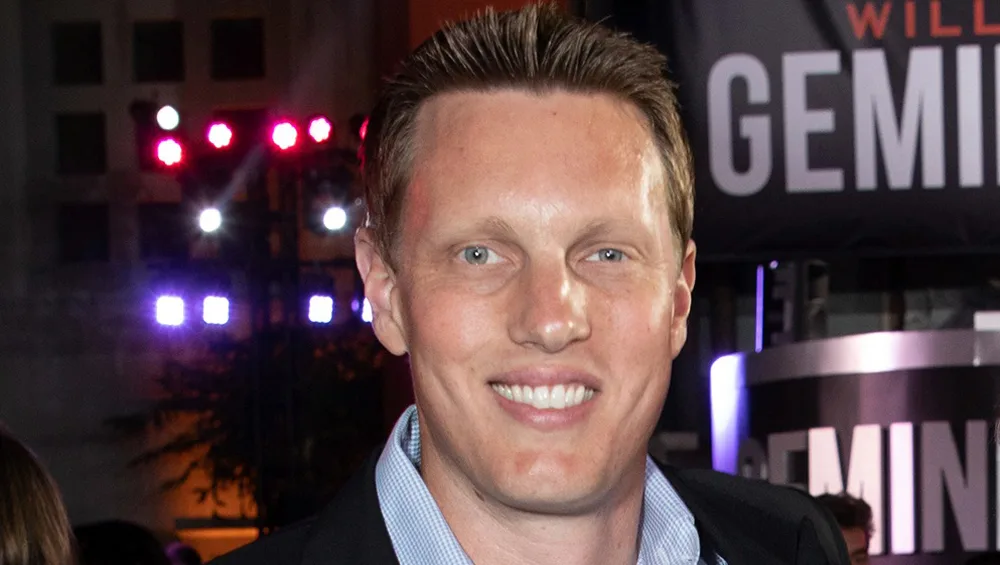

The group, American Sunlight Project, intends to fight what its leader, Nina Jankowicz, and others have described as a coordinated campaign by conservatives and their allies to undermine researchers who study disinformation.

Spotify Technology, the audio streaming giant, reported Q1 results broadly in line with analyst forecasts as the company continued to add new features. Paid subscribers rose 14% year over year to 239 million, the company said Tuesday in a statement, in line with analysts’ estimates compiled by Bloomberg. Total active users, including those plans with advertising, grew to 615 million, compared with the 617.9 million forecast by analysts.

This is a rare occurrence in the current strike-impacted broadcast season — a scripted series getting an order for additional episodes. According to sources, the CW's flagship drama All American is having its current sixth season extended from 13 episode to 15.
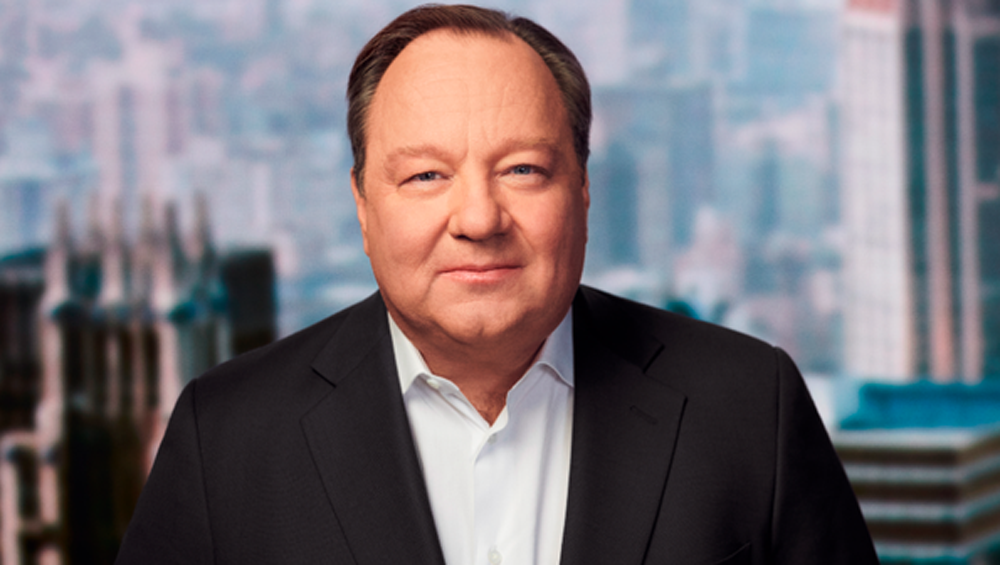
Paramount Global CEO Bob Bakish saw total compensation in 2023 of $31.3 million, compared with $32.0 million in 2022.
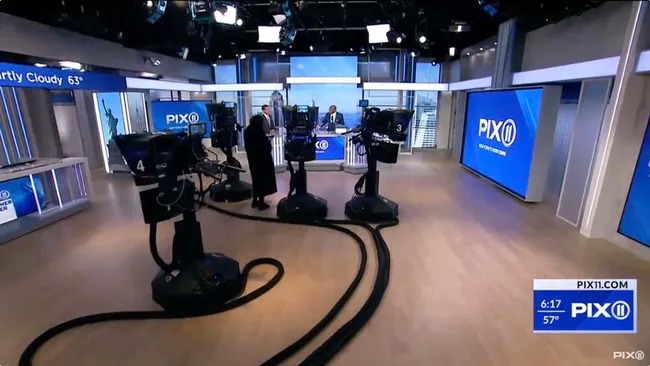
Nexstar Media Group is asking the Federal Communications Commission to cancel its order that WPIX New York be divested by Mission Broadcasting, claiming that the agreements under which Nexstar runs the station for Mission are legal and approved by the commission. Nexstar also wants a $1.2 million fine levied against it by the FCC canceled. Mission was also fined $612,395 as part of the commission’s Notice of Apparent Liability. “Through the NAL, the commission seeks to wield its enforcement authority in a myriad of improper ways,” Nexstar said in its response.
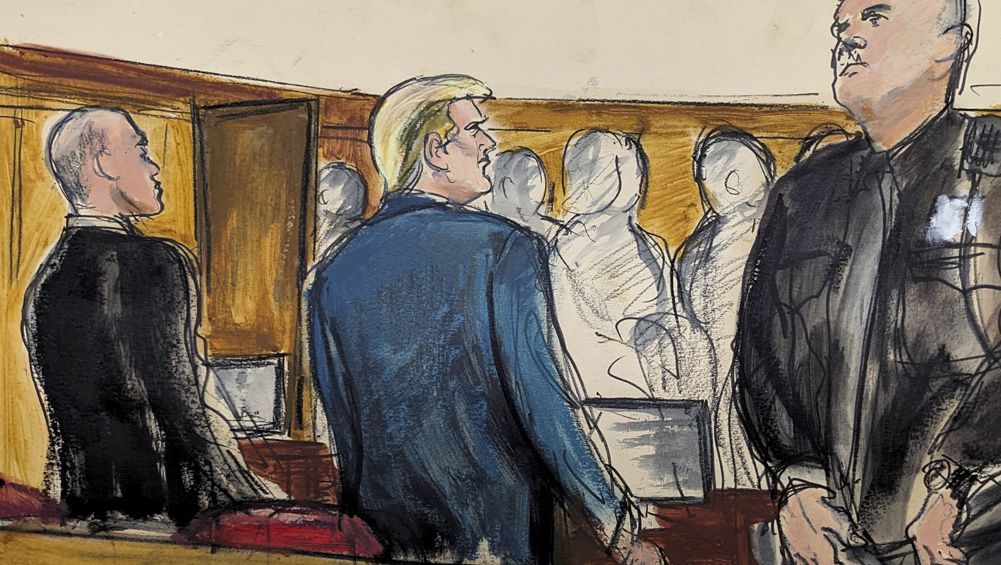
The former president's hush money trial is illustrating the potency of live blogs as a news tool — by necessity. Television and text journalism are normally two very different mediums. Yet because New York state rules forbid camera coverage of trials and the former president's case has such high interest, blogs are emerging as the best way to communicate for both formats. Pictured: Donald Trump stands as the jury files into the courtroom at the start of the trial in Manhattan criminal court Monday, April 22, in New York. (Elizabeth Williams via AP)

The enhanced AI-driven CTV channel uses MundoNow’s Hispanic first-party data to connect advertisers with inventory in a cookie-less world.

Jobs posted to TVNewsCheck’s Media Job Center include an opening for a director of sales and an account executive, executive producer, meteorologist, weekend anchor, sales manager, senior newscast producer, digital video producer and reporter.

Streaming sales leaders from Gray Television, E.W. Scripps, Hearst Television, Ticker and Megaphone TV will share the latest developments in technology and strategy for OTT and FAST channels. Learn more about this critically important revenue source for broadcasters in a TVNewsCheck Working Lunch Webinar on May 16. Register here.
16 May 2024
23 May 2024